
Ocean Freight: Optimizing Your Container Shipments
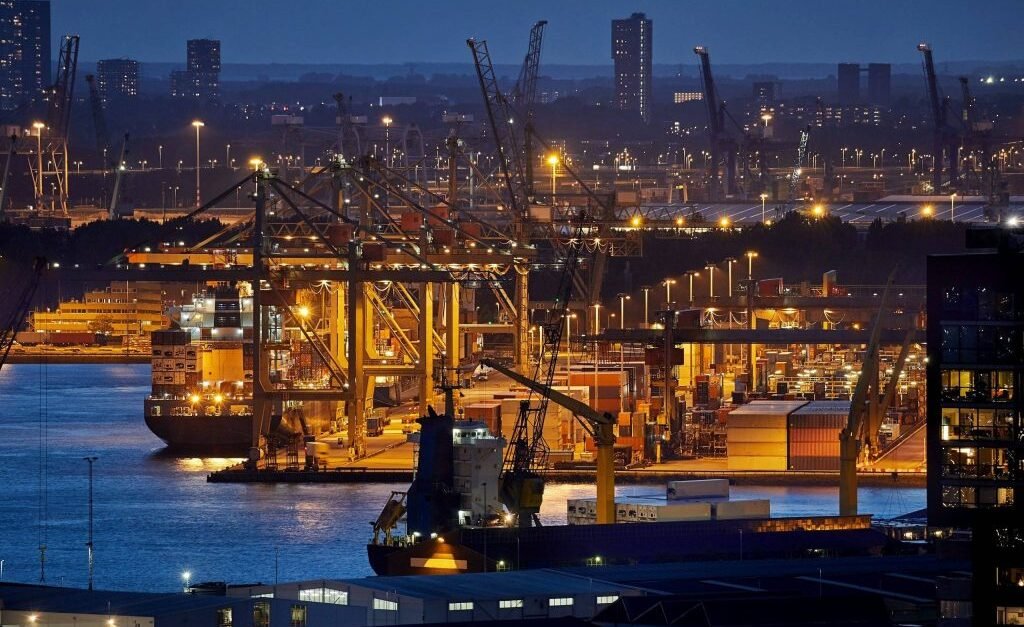
Ocean freight remains the preferred solution for large-scale cargo transportation in international trade. Reliable, cost-effective, and ideal for long-distance shipping, it serves as a cornerstone of global supply chains, particularly for trade flows moving through Morocco via strategic hubs such as Casablanca and Tanger Med.
In this context, optimizing container shipments has become a key competitive factor for importers and exporters seeking greater efficiency and profitability.
The Shipping Container: A Standardized Logistics Unit
The shipping container is at the heart of modern international transportation. Its standardization enables:
- Fast and efficient cargo handling
- Enhanced transportation security
- Effective management of logistics flows
The main container shipping options include:
- FCL (Full Container Load): A full container dedicated to a single customer.
- LCL (Less than Container Load): Consolidated shipments combining cargo from multiple shippers.
The choice between FCL and LCL depends on shipment volume, cargo type, cost considerations, and delivery timelines. Proper planning helps optimize both performance and profitability.
FCL vs. LCL: Choosing the Right Logistics Strategy
FCL is generally preferred for larger shipment volumes. Its main advantages include:
- Better cargo security
- Fewer handling operations, resulting in a lower risk of damage
- More stable and predictable transit times
LCL, on the other hand, is suitable for smaller shipment volumes and offers:
- Shared transportation costs
- Greater flexibility for partial shipments
- Easier access to international ocean freight services
A thorough analysis of the supply chain helps determine the most efficient and cost-effective solution based on the specific needs of each business.
Shipment Optimization: A Strategic Challenge
Optimizing container shipments involves much more than choosing between FCL and LCL. Several strategic factors are essential:
- Selecting the most efficient maritime routes to reduce transit times and transportation costs
- Anticipating port processing times to avoid delays and additional expenses
- Managing transit operations and customs clearance to ensure compliance with local and international regulations
- Maximizing container utilization to optimize space and lower unit costs
- Reducing ancillary expenses such as storage, demurrage, and handling charges
Companies that successfully manage these factors significantly improve their logistics performance and international competitiveness, particularly for shipments to and from Morocco.
The Key Role of Freight Forwarding
An experienced freight forwarder plays a central role in optimizing ocean freight operations. Acting as a strategic coordinator, the freight forwarder connects:
- Shipping lines
- Port authorities
- Inland transportation providers
- End customers
Their expertise helps to:
- Secure logistics operations and minimize losses or damages
- Optimize transportation costs through efficient planning
- Reduce transit times through proactive coordination
- Improve shipment visibility throughout the supply chain
In dynamic markets such as Morocco, partnering with a reliable logistics provider becomes a critical performance driver for companies looking to expand their international trade activities.
Morocco’s Strategic Logistics Hubs Supporting Your Shipments
Morocco’s major ports, including Tanger Med, Casablanca, Agadir, and Nador, play a crucial role in ensuring smooth cargo movements. Thanks to their modern infrastructure:
- Containers are processed quickly and efficiently
- Delays and congestion are minimized
- Businesses benefit from improved logistics planning for import and export operations
Sandra Transport leverages these strategic hubs to deliver reliable and high-performance ocean freight solutions tailored to each client’s requirements.
Conclusion
Containerized ocean freight remains a fundamental pillar of competitiveness in international trade. By choosing Sandra Transport as a freight forwarder in Morocco, businesses can optimize their FCL and LCL shipments, reduce transportation costs, secure their operations, and improve visibility across the supply chain.
Mastering these strategic logistics drivers strengthens operational performance, reliability, and international competitiveness while allowing companies to fully benefit from Morocco’s advanced port infrastructure.